The pros and cons of using prepaid cards

Prepaid cards have become increasingly popular as a financial tool, offering a unique blend of convenience and control. These cards function similarly to debit cards but don’t require a bank account, making them accessible to a wide range of users. As we delve into the advantages and drawbacks of prepaid cards, we’ll explore how they can impact your financial management and spending habits.
Understanding prepaid cards
Prepaid cards are financial instruments that allow users to load money onto a card and spend it like a traditional debit or credit card. These cards don’t require a credit check or bank account, making them accessible to those who might not qualify for traditional banking services.
Available in both physical and digital formats, prepaid cards can be purchased from various sources, including retailers, online platforms, and banks. They come in two main types :
- Open-loop cards : Usable at a wide range of merchants
- Closed-loop cards : Specific to certain stores or brands
As a casino enthusiast with 15 years of experience, I’ve seen prepaid cards gain popularity among players who want to manage their gaming budgets effectively. These cards offer a way to set strict spending limits, which can be crucial for responsible gambling practices.
Prepaid cards provide a bridge between cash and traditional banking, offering financial inclusion to those who might otherwise be left out of the system.
Benefits of using prepaid cards
Prepaid cards offer several advantages that make them an attractive option for many users. Here are some key benefits :
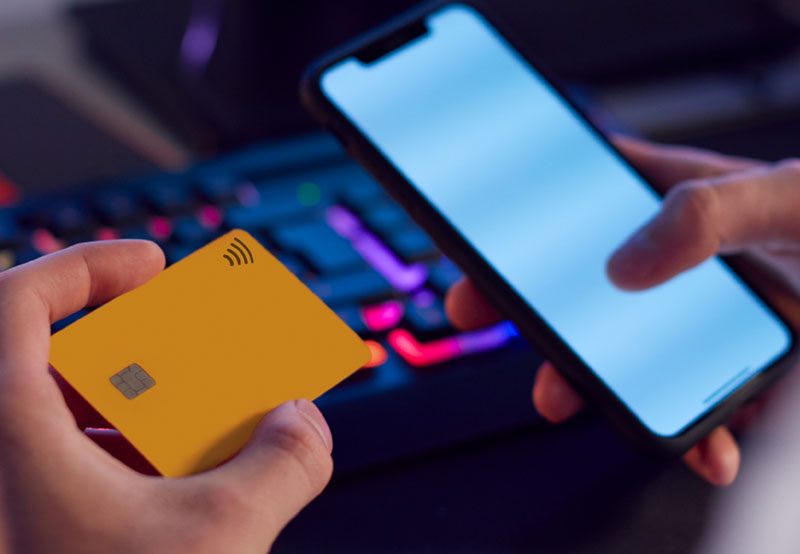
1. Convenience and accessibility : Prepaid cards are widely accepted at merchants, both online and in-store. They function similarly to credit cards but without the need for a credit check or bank account. This makes them an excellent option for those who can’t qualify for traditional banking services.
2. Budgeting and spending control : One of the most significant advantages of prepaid cards is their ability to help users manage their finances. By loading a specific amount onto the card, you can easily set and stick to a budget. This feature is particularly useful for :
- Controlling daily expenses
- Managing travel budgets
- Allocating funds for specific purposes
3. Safety and security : Prepaid cards offer a safer alternative to carrying cash. Many cards provide fraud protection and loss coverage, similar to traditional credit cards. In case of loss or theft, you can quickly freeze or cancel the card, protecting your funds.
4. No risk of debt or overdraft fees : Unlike credit cards, prepaid cards don’t allow you to spend more than the loaded balance. This eliminates the risk of accumulating debt or incurring overdraft fees, which can be a significant advantage for those trying to maintain financial discipline.
5. Gift-giving option : Prepaid cards make excellent gifts, offering recipients the flexibility to choose their purchases while allowing the giver to set a specific spending limit.
Drawbacks of prepaid cards
While prepaid cards offer numerous benefits, they also come with some disadvantages that users should consider :
1. Fees : Perhaps the most significant drawback of prepaid cards is the variety of fees associated with them. These can quickly erode the card’s balance if not carefully managed. Common fees include :
| Fee Type | Description | Typical Range |
|---|---|---|
| Activation Fee | One-time fee to start using the card | $0 – $30 |
| Monthly Maintenance Fee | Recurring charge for card services | $0 – $10 |
| ATM Withdrawal Fee | Charge for cash withdrawals | $2 – $5 |
| Reload Fee | Fee for adding funds to the card | $0 – $5 |
2. Limited functionality : While prepaid cards are widely accepted, they may not offer all the features of traditional bank accounts or credit cards. For instance :
- Many prepaid cards don’t allow for direct deposit or bill pay
- They can’t be used to rent cars or book hotel rooms in some cases
- Some merchants may not accept them for large purchases
3. No credit building : Unlike credit cards, prepaid cards don’t report to credit bureaus. This means that using a prepaid card won’t help you build or improve your credit score, which can be a disadvantage if you’re trying to establish or repair your credit history.
4. Potential for fund loss : While many prepaid cards offer some protections, they may not have the same level of consumer safeguards as traditional bank accounts or credit cards. In some cases, if the card issuer goes bankrupt or if there’s a technical glitch, you could potentially lose access to your funds.
5. Balance tracking challenges : It can be easy to lose track of your remaining balance on a prepaid card, especially if you’re not diligent about checking it regularly. This could lead to embarrassing situations where your card is declined due to insufficient funds.
Making an informed decision
When considering whether to use a prepaid card, it’s essential to weigh the pros and cons carefully. Here are some factors to consider :
1. Your financial goals : If you’re looking to build credit or need features like overdraft protection, a prepaid card may not be the best choice. However, if your primary goal is to control spending or provide a safe alternative to cash, a prepaid card could be ideal.
2. Fee structure : Compare the fees of different prepaid cards carefully. Look for cards with low or no monthly fees and minimal transaction costs. Some cards may waive fees if you maintain a certain balance or set up direct deposit.
3. Features and limitations : Consider what you’ll be using the card for. If you need to make regular bill payments or want to use the card for travel, ensure the card you choose supports these functions.
4. Consumer protections : Look for cards that offer robust fraud protection and are backed by major financial institutions. This can provide additional security for your funds.
The key to successfully using prepaid cards is understanding their limitations and choosing a card that aligns with your specific needs and financial habits.
As someone who has used prepaid cards for managing casino budgets, I’ve found them to be valuable tools when used wisely. They can help maintain discipline in high-stakes environments, but it’s crucial to be aware of any associated fees that could impact your overall budget.
Ultimately, the decision to use a prepaid card depends on your individual financial situation and goals. By carefully considering the advantages and disadvantages, you can determine whether a prepaid card is the right financial tool for you.
Check out these articles too